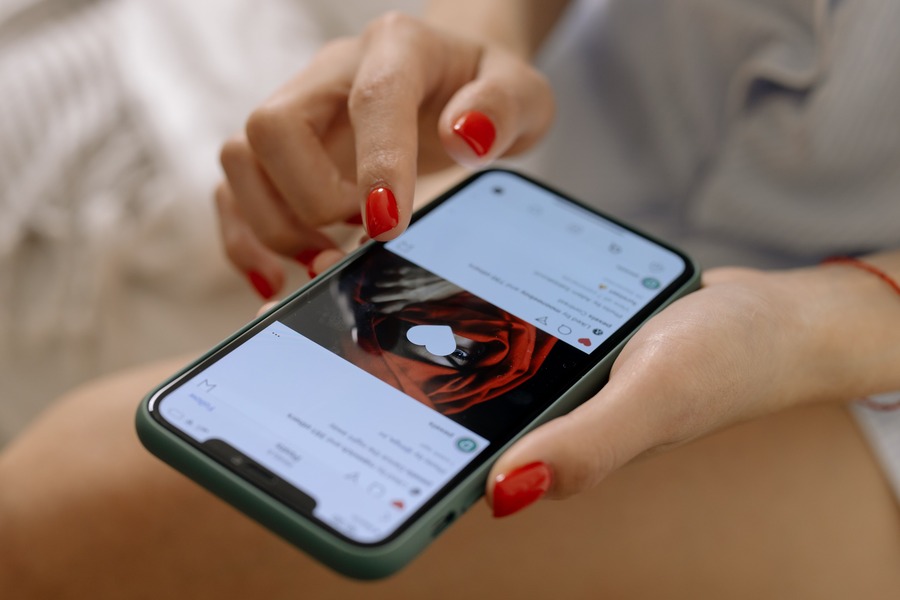

You open Instagram and see the same person has seen every story you post. Occasionally they respond with some type of emoji and never send a text message first. The most frustrating part is when you begin having a “real” conversation with this person but they suddenly stop communicating with you as soon as the conversation begins. This confusing pattern of seeing a person repeatedly without meaningful connection is called Orbiting in Dating.
Initially, orbiting can feel harmless, however over time it can create confusion and emotional stagnation in people and leave them questioning the individual’s intentions of one another. The state of orbiting is experienced by many people and is only becoming more common due to the prevalence of social media.
What Exactly Is Orbiting?
The definition of orbiting states that people stop direct contact while they continue to monitor your online presence. The person who currently ignores your texts still demonstrates social media activity through post likes and story views and occasional reactions.
The practice of orbiting maintains an online link which creates difficulties for people who want to move forward in their lives. One day they act distant, and the next day they suddenly appear in your notifications again. The combination of these two behaviors prompts people to experience emotional uncertainty.
Imagine talking to someone every day for weeks. The conversations suddenly stop. They keep appearing online at times when you are present. They observe all your updates without making any attempts to revive their friendship. The emotional push-and-pull which occurs between two people creates mental health problems for many individuals who experience Orbiting in Dating.
Reasons for Orbiting instead of Communicating:
There are credible reasons for this behavior on social media when dating; in some cases these individuals are lonely, yet do not desire a committed relationship. Others derive pleasure from being noticed, but do not wish to become emotionally involved with others.
Social media provides people with simple ways to access other people which creates a false impression of social closeness. Orbiting lets people maintain a constant presence of someone in their lives which enables them to feel companionship without making actual face to face contact. Therefore, many prefer the convenience of using social media to establish their relationships with others as opposed to communicating with them directly.
Some people orbit to avoid the discomfort of ending a relationship. Instead of telling you they are no longer interested, they simply fade away while continuing to track your activity on social media. Consequently, they leave you searching for explanations that may never come.
Additionally, Orbiting can lead to feelings of curiosity or a need to satiate one’s ego when trying to determine if you have moved on or made changes to your lifestyle, while avoiding taking the emotional responsibility that being an Orbiter may entail.
The Mental Health Impact of Orbiting
People who first encounter orbiting see it as an unimportant matter. The first online appearance leads to emotional changes which develop through subsequent online displays. Your mind begins to analyze every story view and every like and every unplanned response.
The mind generates new inquiries which include:
- “Why are they still watching me?”
- “Do they still care?”
- “Should I text first?”
The process of emotional uncertainty causes people to feel complete exhaustion. False orbiting leads many people to maintain emotional bonds because they believe their relationship will continue. The situation gives you mixed signals instead of providing you with definite closure.
People who experience Orbiting in Dating must deal with heavy emotional burdens. The system allows users to maintain their emotional bonds with people who have terminated their relationships. Over time people experience a dual loss of their self-assurance and their ability to maintain composure.
Healthy methods exist for managing orbiting
Your online behavior should not serve as evidence for your emotional commitment to others. Your story viewers do not necessarily wish to develop a romantic relationship with you.
You should start observing actual behavior instead of tracking digital activities. People who are genuinely interested in you will communicate consistently and make efforts to understand you better. True friends will schedule time to talk with you because they consider your value as important.
You need to establish boundaries which protect your personal space. You have the right to mute or unfollow or restrict someone when their conduct disturbs your mental state. Your emotional energy needs protection because online relationships with unclear boundaries fail to create actual connections.
You should not take any responsibility for the situation. Modern dating practices promote shallow communication methods and orbiting demonstrates this trend. Healthy relationships need both transparency and truthfulness together with emotional intelligence.
People who truly care about you will not create confusion because they want attention from you. They will use clear communication together with steady behavior to show what they plan to do. If someone watches your stories without speaking to you, the best choice is to stop expecting them to send you a message which they will probably never send.