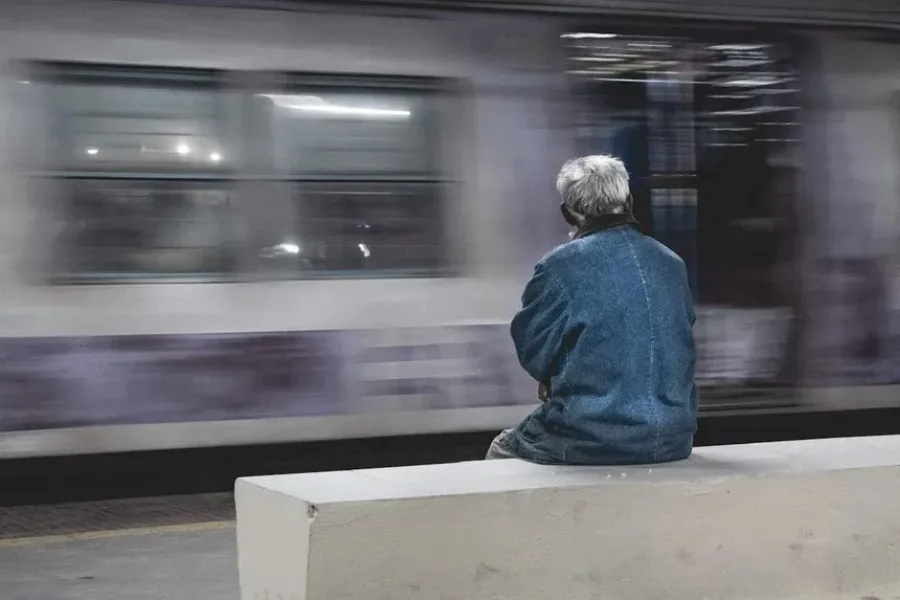

Have you ever just waited for a text that, honestly, never showed up. Or simply clinging to hope for a reason that never came, not even once. A lot of people go through this after a breakup, when a friendship falls apart, or when someone just disappears without saying anything. The toughest part usually isn’t even the moment it ends, it’s all the unanswered questions that stay hanging around in your head. If you’re thinking about how to move on without closure, you’re honestly not the only one either, like a whole pile of people get stuck in this emotional fog, day by day, and it never really straightens out.
Why do We crave closure so much
Humans naturally seek answers, or at least that feeling that something “makes sense”. We want to know why things turned out that way. We want reasons, explanations, and yeah sometimes even an apology, I mean closure is like the last page of a book, without it, Our brains keep going back to the same areas again and again, and it’s always the same questions over and over, like we can’t seem to stop.
But life does not always have neat endings. Sometimes people just leave without saying a word. Sometimes a relationship ends, and then there is just silence, no further notes.We end up stuck, going through old conversations again and trying to imagine new endings in our heads, like if we change the scene it will finally make sense.
Still, the truth is pretty straightforward. Waiting for someone else to hand you peace, often slows your healing. Even though closure can feel soothing, it is not always required, not really, for moving on
The Hidden Price of Waiting Around for Answers
Think about hauling this heavy backpack around every day. At first it feels okay, like you think you can handle it, you know. Then, little by little, it starts to feel draining , also irritating. It’s almost like unanswered questions work in the same way too. They take up mental space, and they quietly drain your emotional reserves.
Many people wrongly think that healing can only happen after they get all the answers. So they keep looking back, checking old messages, re-playing memories, or waiting for some last little conversation. But more often than not, that habit ends up causing more stress rather than real relief.
Rather than locking into what you might never know, try to aim at what you already know. The relationship ended. The situation shifted. And most of all, your life keeps moving forward, even if the details stay unclear.
Learning How to Move On Without Closure starts with accepting that some questions might not get answered, and well , that’s uncomfortable. Acceptance often gives you more room to breathe than endlessly trying to find answers or getting stuck in that same mental loop.
Create your own closure
The good news is that closure doesn’t have to come from someone else or anything like that. You can build it for yourself, in a way that really holds. Not like maybe either, more like it actually sticks around.
First, write down everything you wish you could say. Be truthful with it. Talk out your anger, sadness, disappointment, or that leftover confusion that just won’t behave. You don’t need to send it anywhere, ok. The whole point is mostly to loosen up those feelings, and let them come out unfiltered.
Then, shift your attention to the lessons. Every experience brings along something useful, even if it feels stubborn at the exact time you don’t want it to. Maybe you finally saw where your boundaries are, like the real ones. Or maybe you figured out what you genuinely need from a relationship, not the pretty version but the actual substance. These realizations can nudge you toward a stronger, more steady direction.
It’s important not to view questions that don’t have answers as a puzzle to be solved. Sometimes, there’s no clear or correct reason for someone’s behavior, and it might come from their own fears, problems, or limits.It’s not about you, even if you keep thinking about it.
When you cease your attempts to locate answers, you create opportunities for healing. This can be one of the largest factors when learning to grow without “closure,” (even if it currently feels like an injustice).
Choose to grow instead of thinking over and over
Healing is not about erasing everything. It’s more like you get to remember, but without being stuck inside that moment, you know, trapped by it.
So try to put your energy toward things that actually support your well-being. Spend some time with friends who seem steady and supportive, you know the who don’t rush you or make everything heavy. Maybe also try a fresh hobby or pick up that thing you’ve been curious about for ages. Jot down a couple personal aims too, even if they’re modest and not super dramatic. It does feel small, but those little steps can begin to rebuild confidence and keep you going forward.
At the same time, be kind to yourself. Some days will feel almost effortless, and other days will drag a bit, and honestly that’s fine. Growth rarely goes in a straight line, more like a sideways route that still counts.
Most importantly, keep telling yourself that someone else’s silence doesn’t get to rate your worth. Their quiet, or the lack of replies they send, won’t decide what you are about.You still deserve peace and safety, even if things don’t ever really tie up.
And in the end, How to Move On Without Closure isn’t about hunting down every single answer. It’s about selecting yourself, even when things stay unanswered. When you stop waiting for that missing piece, you might realize the “closure” you needed was already inside you all along.