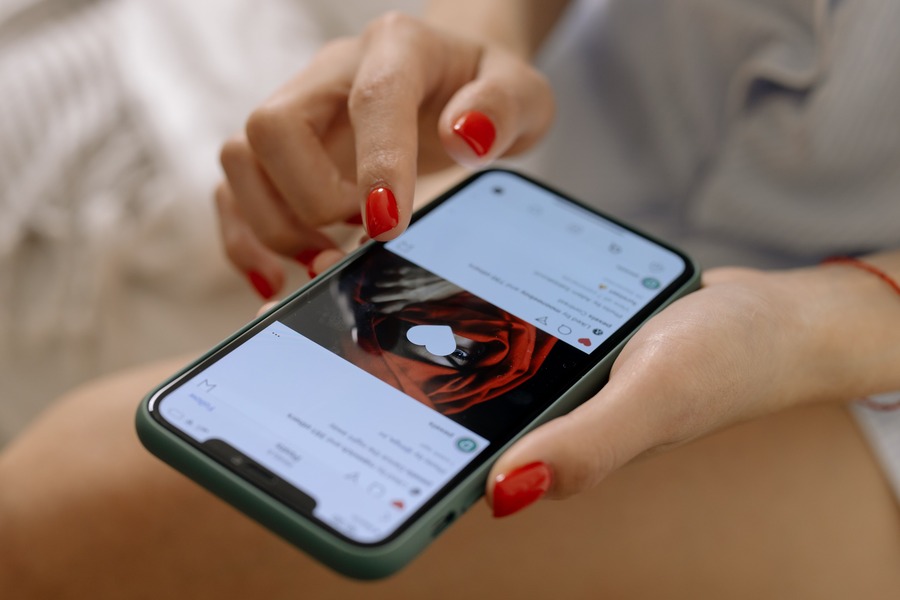

Think about picking up your dating app after a tiring day. Rather than going through the motions of swiping endlessly from one profile to the next, you just need to answer the questions related to your current state of mind, likes and dislikes, habits and what you want from your love life. And then, based on your input, the AI app works tirelessly to find the patterns that might yield the right match for you. We may call it AI dating, but it sounds less like a future trend and more like an ordinary occurrence in the world of romance.
However, there is one key point. AI does not aim to choose you a partner but makes your task of looking for a partner easier.
From endless swiping to better pairings
Dating apps have been built around choice. More profiles can mean more possible matches. Still, a long list does not always help people connect.
It can drain you fast. You swipe, then you get a match, then you type a message. After that, you repeat it. Pretty soon, even a strong profile starts to feel like it belongs in a long line of the same thing. Meanwhile, important parts slip out of view. Photos are picked for impact, and bios are kept short.
This is where AI matchmaking could shift things.
Looking at age, distance, hobbies, or looks alone is not the only way. A system could also use other clues. For example, it can check how someone speaks. It can try to understand what they expect from a relationship. It can also look at how they handle daily life. It could also notice how two people interact over time.
Say one person likes surprise plans on the weekend. They also want emotional steadiness. A simple match system might only point to shared hobbies. A more tuned system could spot the need for both excitement and calm.
That change matters.
AI can help, but you still choose
The best part of AI dating might not be smarter matches. It might be giving you more say in what the matches mean.
Look at your last few chats. Why did you tap “like”? Was it because they fit your life? Or did a great picture, a witty line, or quick sparks steer you instead?
AI may be able to spot trends you do not notice. For example, you might keep picking profiles that feel fun, even when they want different things. Or you might ignore people who seem plain at first, even though they match your plan for the future.
That insight could be useful, as long as it stays in its lane.
It can suggest, “This may line up well with you.”
It should not claim, “This is the one you must choose.”
At the end, two people make the call.
AI Dating Can Feel More Like Real Life
At the start, using tech to meet someone can sound cold. Still, it may help if it is handled with care.
The bigger change is simple. Instead of pushing people to hunt for flawless photos and neat bios, AI could point them toward matches that fit in day to day ways.
Picture a match note that lists shared habits and goals. Not just surface traits. For example, it might mention that you like to be on your own at times, you prefer clear talk, and you both want something long term. That sort of detail gives you a real basis to decide.
After that, you do the rest.
You have to send the first message. You have to keep talking and see if it flows. You have to sit through that first date pause and judge for yourself if it is tense or easy.
Apps and algorithms can help you meet. They cannot deliver true closeness on their own.
For that reason, people should be told how the picks are made. Users should also be able to view what the system uses, control their information, and pass on any suggestion they do not want.
Love and What Comes Next
Maybe the next chapter of dating is not about swapping dating apps for machines. It might be about taking some weight off the process. Maybe it is about taking a slower pace and saying what you really want.
If these dating tools keep improving, fewer people might end up scrolling through too many profiles. They may get fewer matches, but the picks could fit better. That sounds steadier and less tiring.
Still, there is a boundary tech should not cross.
A relationship is not a number. A compatibility score can be useful, but it cannot cover everything. Real chemistry shows up in odd ways. Attraction does not always grow on schedule. Even a seemingly right person can feel wrong when you actually meet them.
And sometimes the person you didn’t consider your type turns out to be the one you keep talking about for many years.
So, can AI aid you in meeting the right person, without taking the decision from you?
Yes.
A good path forward is one where AI points you toward options. It can nudge you, and it can help you notice your own habits. But you still choose what to do next.
Finding love is not handing the call to a system.
It is using tools so you can make better calls yourself.