
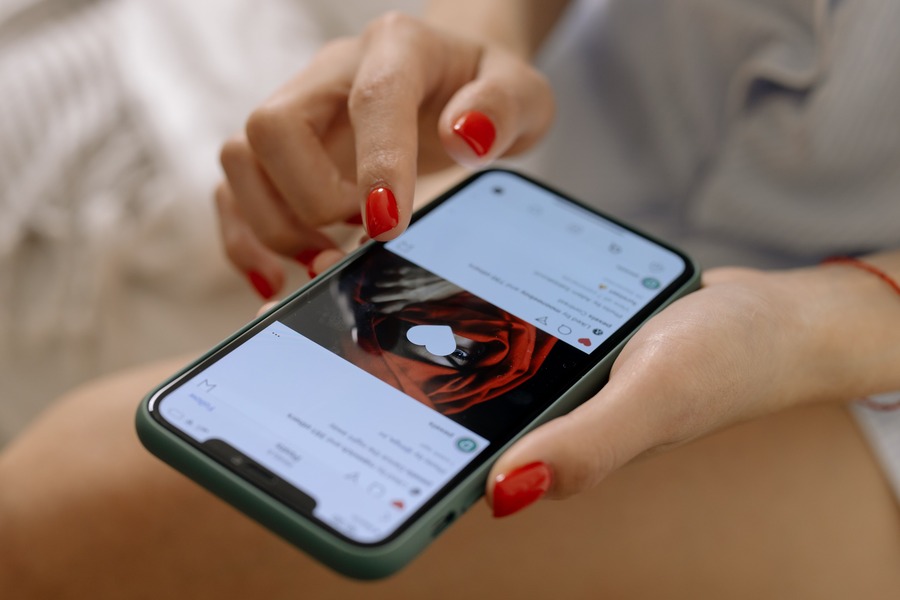
You meet a man who you connect with, the chitch-chat is smooth, and all a sudden you have a first date. However, before picking an outfit, you may want to do something first: check them out online. Many singles today have a type of dating background check that has become silent these days. You can find information that you did not get in the chat by doing a quick Google search, scrolling through social media and/or a LinkedIn search. Some people it’s just being careful, so it might seem a little extreme.
Why Are Singles Researching Their Dates?
Imagine this. You’ve been talking with them for a week now. They come across as funny and kind of thoughtful. They also seem like they have good ideas and a real interest in things. Then comes the message: “Want to grab coffee this weekend?”
You smile. Then you search their name.
Maybe you find their Instagram profile. Perhaps you spot an old college photo or a professional profile. Sometimes, you discover almost nothing. Other times, you notice details that make you pause.
This habit is not just about playing detective. It is mostly about lowering uncertainty. Online dating can feel odd. You are meeting someone you only knew from a profile and a few messages. So it makes sense that people want proof they are real beyond the app.
Checking a little before you go can calm your nerves.
Sometimes people fall into overthinking
Between a quick look and a real deep dive, there is a wide distance.
A quick search may answer simple questions. Does their name match their professional profile? Does their online presence seem consistent? Do they appear to be the person they described themselves as?
However, things can get complicated when curiosity takes over.
You may start scrolling through years of posts. Then, you notice an old comment. You check their friends list, then the photos they got tagged in. After that, you scan the jobs they wrote on their profile. It was meant to be a quick ten minute look, but it turns into a whole hour of digging.
That can create another problem. Online information rarely tells the whole story.
People change. Old posts may not represent who someone is today. A photo can also look completely different without context. Therefore, research should provide context, not create a complete personality profile before the first date.
Dating Research Can Also Be About Safety
There is a more practical reason behind this trend: personal safety.
Meeting someone from the internet always involves some uncertainty. Therefore, checking publicly available information can feel reassuring. A quick background check for dating can help spot clear red flags before you say yes to a meet.
Still, do not depend on internet searches for your safety.
For a first date, pick a spot that has people around and is simple to locate.
Choose somewhere that is public, not hidden or hard to reach.
Before you go, let a friend know where you will be.
If you can, go on your own drive. Try not to ride with someone you just met.
If something feels wrong, trust that instinct.
These basic habits count more than trying to learn everything about a person online.
At the same time, remember that privacy matters too. Researching publicly available information is one thing. Digging for private details or sharing someone’s personal information is another.
So, Should You Google Your Date?
Not everyone can follow the same dating rule.
Some people feel more at ease after they check a few things fast. Others prefer to learn about someone naturally during conversation. Both approaches can make sense.
Figure out what you really want from the search.
If you just need a little comfort, then a short look might do. But if you plan to dig up every detail before you meet, you could build expectations that real life will not keep.
Dating is still about meeting a person. It is not about reading results.
A dating background check may add some helpful context. Still, it cannot predict whether you will both laugh, talk easily, or feel relaxed across from each other.
That could explain why people now do more “research” in the dating world. We need to figure out what is happening first, before anyone gets hurt. Still, there is a point where you have to put the phone away. Then you can talk with the person right in front of you.
A lot of the value shows up when you are there in the room with them. You notice things you would miss otherwise.