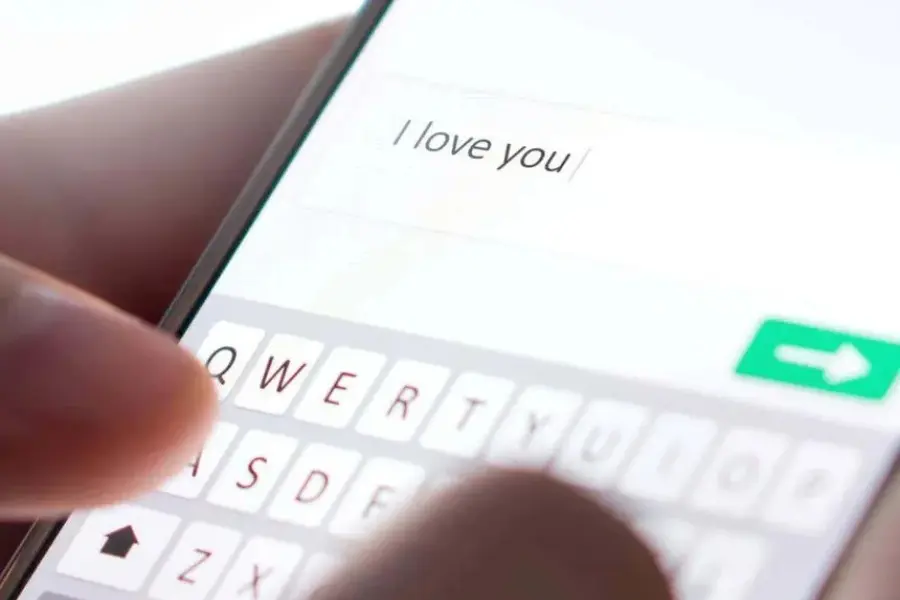
At 11:47 p.m., the phone lights up. Fingers hover. Words pour out fast, honest, and raw. Then comes the pause. A deep breath. Backspace. This is the era of Unsent text messages, where people say everything on a screen but leave silence on the other end. It is not laziness or confusion. It is emotional caution wrapped in blue bubbles and blinking cursors.
At present, we reside in an era where communication is almost instantaneous, but still, the expression of feelings seems to be quite risky. A message is first put down in writing, then it is going to be gone through again, after that it is going to be polished, and last, it is going to be hidden. Not for the reason that no one cares, but for the reason that people care so much.
The Night Drafts We Never Talk About
It is very likely that you have saved one message at least in your notes application; it might be an “I miss you,” an apology, a confession, etc. However, you most probably remember that these messages are composed in the night hours, when the euphoric feeling of truthfulness is so strong and there is almost no defense against it. In that peaceful time, the heart expresses itself without ambiguity.
Then reality steps in. What if they misunderstand? Suppose if they respond coldly? What if they do not reply at all? Fear turns honesty into hesitation. So the message stays unsent, carrying emotions that never got a chance to breathe.
This habit has quietly become emotional self-protection. People would rather hold the weight of unsaid words than face rejection or indifference. Silence feels controllable. Vulnerability does not.
Why Typing Feels Safer Than Sending
Typing offers control. You can delete. They can rewrite. You can pause. Sending removes that control in one tap. Once the message leaves your phone, the outcome belongs to someone else.
That is why Unsent text messages often hold the most truth. They are not filtered for tone or timing. They reflect what someone actually feels, not what they think sounds acceptable. In many ways, these unsent drafts become private diaries written in chat boxes.
And there is the influence of social pressure too. The fear of appearing as if they need others, being overly dramatic, or just being too emotional with most people. The online community favors nonchalance. Therefore, instead of openly revealing their emotions people practice them in their minds beforehand.
When talking gives place to silence
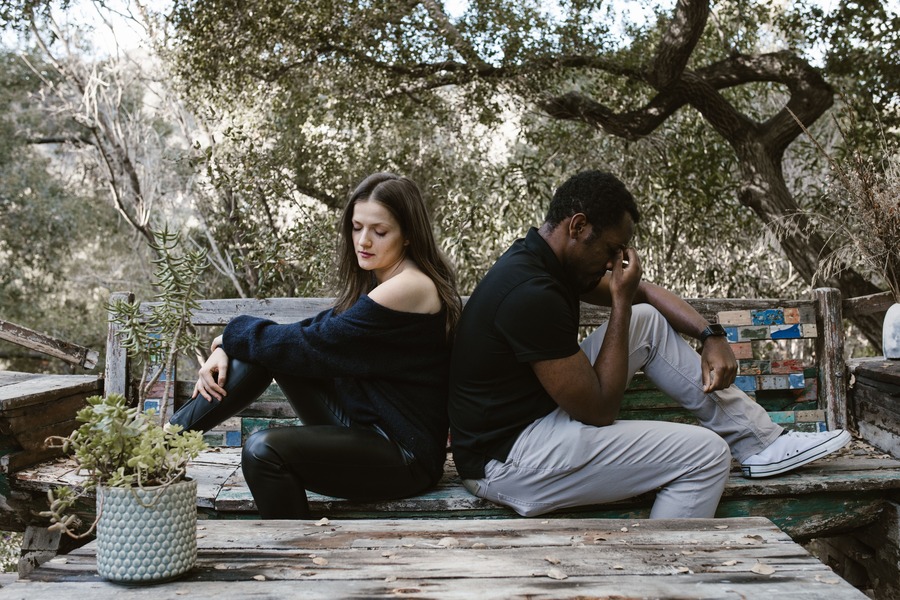
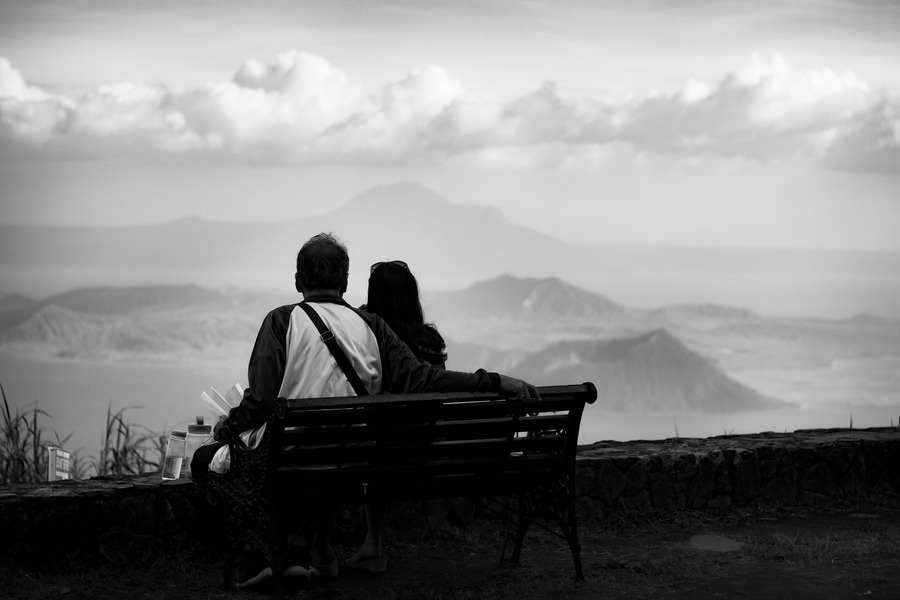
The danger begins when unsent messages become a habit instead of a pause. Relationships suffer when communication turns into assumption. One person waits. The other overthinks. Both believe they are protecting themselves.
Over time, unsent text messages stack up like emotional clutter. Inordinate stress and strains begin infiltrating their intimacy. Communication works best through affectionate kissing, caressing, and touching. Distance feels accidental, but it is built slowly.
Ironically, many conflicts today do not happen because of harsh words. They happen because of missing ones.
What These Messages Reveal About Us
Every unsent message tells a story. It shows where someone felt unsure. This shows what mattered enough to type. It also shows what fear still controls.
People often assume confidence means saying everything out loud. In reality, confidence also involves choosing the right moment. Not every unsent message needs to be sent. Some help us process emotions before acting.
But when Unsent text messages repeatedly replace honest dialogue, they signal emotional exhaustion. They suggest someone wants connection but fears the cost of it.
Choosing When to Finally Press Send
This era does not need more impulsive messages. It needs braver ones. Sending does not guarantee understanding, but silence guarantees nothing changes.
The next time fingers hover over the screen, pause for a different reason. Ask whether silence is protecting peace or avoiding truth. Sometimes, one honest message can clear months of confusion.
Not every draft deserves daylight. Yet some messages exist because they need to be heard. And in a world full of unsent words, the bravest act might still be pressing send.