
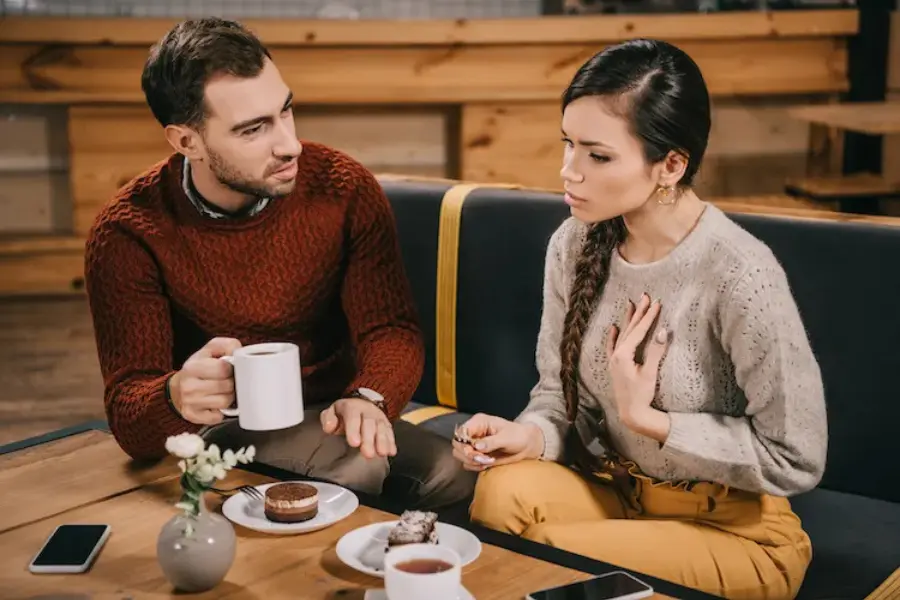
You can notice it from a mile away. A concern creeps into your heart, you whisper it, and just like that, the mood changes. They giggle, change the topic, or go quiet. The discomfort is now only yours to carry. This cycle often demonstrates the presence of avoidant communication in relationships where one partner runs away from emotional discomfort instead of dealing with it. At first, it looks like nothing. Over time, it turns into the entire relationship.
When Silence Becomes a Pattern
Initially, the couple’s decision not to talk might seem to be a harmless situation. They are non-confrontational. They want a peaceful and quiet environment. However, a relationship based on real intimacy needs full disclosure, not just a cozy atmosphere. When the issues are not discussed, they do not disappear. On the contrary, they quietly become more significant.
It is likely that you will have a hard time dealing with the past dialogues that are already in your mind. You will be wondering if you were too insistent. You will speak more softly during the next conversation. Little by little, you begin to restrain yourself. This is how emotional barriers are raised, even though the love between them is still very strong.
The neglect of difficult conversations rarely has to do with you. A lot of people learn from childhood that conflicts either end with others freezing them out or with them making so much noise that no one can hear anything. Hence, they resort to silence. In interpersonal relationships, this pattern may show up as a slow reply, changing the topic, or emotionally disengaging from the conversation. This is another communication avoidance strategy that could take place in close relationships, and it might be very isolating for a partner who is in need of empathy.
How It Feels to Love Someone Who Will Not Engage
Confusion is dating a person who shuns hard talks. Everything feels alright at one instant and the next everything is tense, but no one talks about it. You feel that something is not right, but there is no evidence.
Thus, you might overdo it. You give a lot of explanations. People are quick to say sorry. You are making efforts to keep the atmosphere light. At the same time, your needs that are not met are still there. Gradually, bitterness takes the place of tolerance.
Nevertheless, a lot of people continue to stay in such relationships because there are other aspects along with love. There is love, shared memories, and optimism. You convince yourself that it will get better. Nevertheless, no matter how strong the bonds are, they weaken if you do not communicate.
Such a relationship also affects trust. When problems persist, you stop believing that you can resolve the issues. That doubt gradually takes away emotional safety.
Why Avoidance Is Not the Same Thing as Calmness
It is likely that a person may consider avoidance a sign of emotional maturity. Conflicts are not liked by anyone anyway! However, conflict which is difficult yet unavoidable is the primary driver of personal development. The type of calmness that comes from denying the truth is not real.
Individuals who use avoidant communication in their relationships often feel intimidated by the emotional heaviness involved. They may fear making a wrong comment. Also, they may not even have the right vocabulary to articulate their feelings. So, they go for silence rather than honesty.
Yet silence has its price. Only one partner is made to carry the burden of the emotional labor. Ultimately, this manner of handling matters is draining. Love should not be a game of constant guessing.
If at any time you feel you are walking on eggshells, pause for a second. Ask yourself if you are the one who needs a conversation that others are disregarding. When both parties are able to express themselves, relationships thrive.
Moving Forward Without Losing Yourself
Change is probable, but necessary to willingness from both sides. Take clear examples from your day; they must be moments without anger or stress. Simple and very clear words should be your means of communication. Tell what situations do to you, not who is to blame.
Meanwhile, look at their reaction. Do they even try, no matter how awkwardly? Or do they keep sealing themselves off? No one can stop the progress just because it has not been perfected.
Also, it is really crucial that you impose limits. You have the right to people being emotionally available to you. If avoidance becomes the phrase for every serious conversation, admit to how that situation affects you. Not changing your ways and repeating yourself can really hurt your self-esteem.
Professional support is needed in some cases. Therapy is one of the ways to help people using avoidant communication styles get through their relationships. Besides, it can also guide your decision on what you actually need.
Being in a relationship with someone who avoids difficult conversations does not indicate their badness. What it does though, is creating a dilemma for you. You can either keep becoming smaller and smaller to ensure peace or choose honesty even if it is uncomfortable.
Healthy love is never quiet. It listens, responds, and stays around even when things get tough.