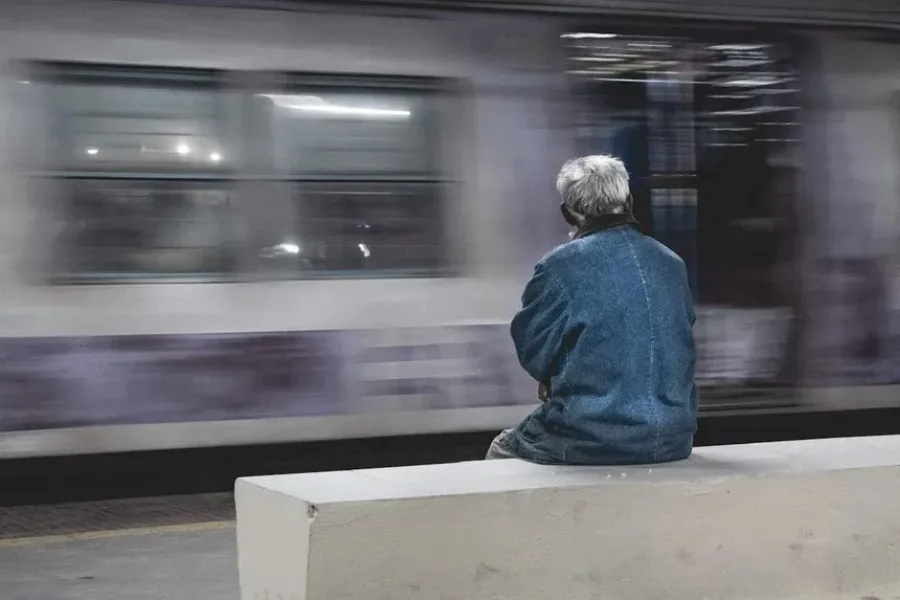

The Quiet Moment After the Hurt
It often starts small. A sharp comment. A forgotten promise. A fight that ends in silence. You wait for softness, for accountability, for repair. Instead, nothing comes. This is where no apology in relationships quietly begins to shape the bond. At first, you excuse it. You tell yourself love should be flexible. Nonetheless, with each day that goes by silence is no apology and that feeling grows even louder than the fight itself.
Apologies in most partnerships play the role of a sort of emotional adhesive. They reconnect what conflict pulls apart. Without them, love keeps going, but repair never happens. Over time, the hurt does not fade. It settles.
When Silence Replaces Accountability
Those who steer clear of making apologies most likely do not consider themselves to be harsh. They might exclaim, “My intention was different,” or “You are just too touchy.” These expressions may appear benign at first glance. Nevertheless, they reassign the blame rather than recognize the effect. As a result, the injured partner feels unseen.
With no apology in relationships, conflict stops being about growth. It becomes about survival. One person learns to swallow feelings. The other learns they never have to change. Slowly, conversations become shorter. Laughter becomes careful. Even joy carries hesitation.
Moreover, unresolved hurt creates emotional distance. You may still share routines, meals, and plans. Still, the emotional safety begins to erode. Love exists, but trust weakens.
The Hidden Emotional Cost
Unspoken apologies do not disappear. They turn inward. Many people begin to question their reality. “Was it really that bad?” “Am I asking for too much?” This lack of apology can really harm a relationship by causing a lot of self-doubt.
Over time, resentment grows quietly. It does not always show anger. Sometimes, it shows as numbness. You stop bringing things up because it feels like there’s no point in doing so. You stop expecting care because disappointment hurts more.
Additionally, emotional imbalance forms. One partner carries the weight of forgiveness without repair. The other carries comfort without accountability. This uneven dynamic drains intimacy. Love becomes conditional, not safe.
Can Love Survive Without Repair?
Love can survive many things. Distance. Stress. Even conflict. However, love struggles to survive without repair. Apologies are not about winning or losing. They are about acknowledging pain and choosing connection.
If no apology in relationships is a pattern, change must start with awareness. A healthy apology does not justify behavior. It names the hurt. Acknowledging shows understanding. It invites healing. Without this, repeated harm becomes normalized.
For the partner waiting for apologies, clarity matters. Ask yourself what you are tolerating. Ask what you are teaching the other person about access to you. Love does not need to be tested emotionally all the time.
Nevertheless, in case you are the one who never says sorry, self-examination is very important. Hiding through avoidance usually means that one is scared. Fear of shame. Fear of weakness. Yet vulnerability is what deepens intimacy.
Choosing Repair Over Pride
Every relationship faces moments of rupture. What defines its future is repair. Choosing repair means choosing humility over pride. It means seeing your partner’s pain as real, even when intent was different.
In the end, no apology in relationships does not just block healing. It slowly teaches both people that love can exist without care. And that belief changes everything.
Love does not need perfection. It needs accountability. It needs repair. And sometimes, it simply needs two honest words spoken at the right time: “I’m sorry.”