
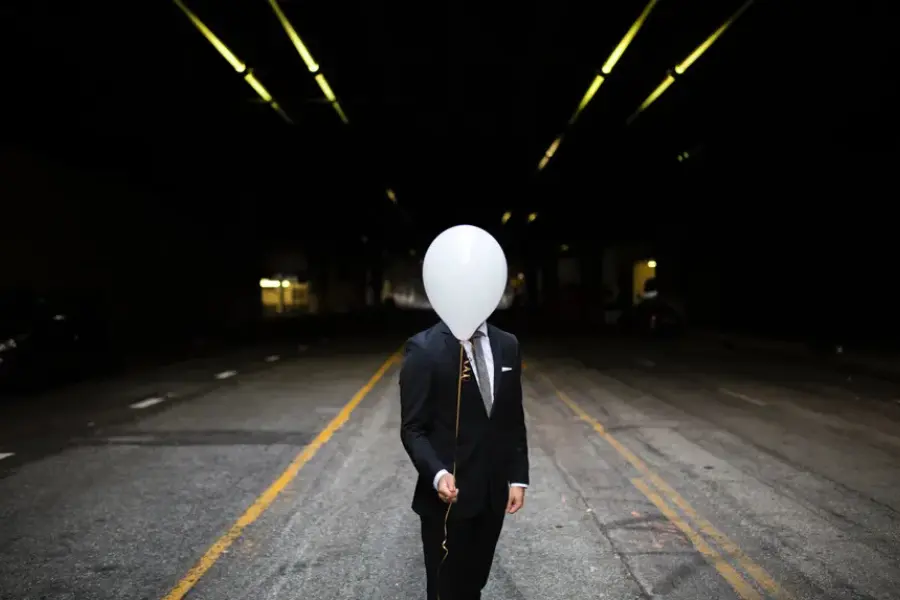
The moment you met a person, you created the mental image of their future self-development. You observe their attractive features and their unfinished aspirations and their partial accomplishments. Your affection for him begins to develop because you choose to falling for potential instead of his actual self. At the beginning, the experience appears like a romantic relationship. The experience generates positive expectations. The process of waiting leads to gradual disappointment which sweeps over the person.
Romantic projection occurs whenever we construct a mental image of someone which we then use to establish an emotional bond with that mental image. People devote their love to their partner’s present self because they expect their partner to develop into something greater in the future. The situation starts to create inner conflict for people who face this problem.
We will investigate the way this behavior develops and examine the reasons behind its intense impact.
The Story We Create in Our Head
The process begins with a tiny element which develops into a larger entity.
He expresses his desire to establish a company while she discusses her process of recovering from previous experiences. You observe people who demonstrate ambition. Watch people who demonstrate development. You observe people who demonstrate fundamental understanding. You build a narrative about their behavior because you fail to see how they conduct themselves at all times.
Your optimistic attitude fills the spaces between your knowledge gaps. You create an image of their future behavior through your imagination. You create an image of their future behavior through your imagination. Your emotional response grows toward the imaginary world which exists beyond actual events.
The moment you begin to develop feelings for someone based on their potential, this situation becomes hazardous. You have stopped reacting to actual events. You are responding to potential future scenarios.
The nature of possibility possesses attractive qualities which draw people in.
The situation holds your attention because you believe they require additional time. The passage of time will not bring about transformation unless people put forth effort, which leads to change.
Why We Get Attached to Potential
Now you might wonder, why does this happen so often?
First, many of us love transformation stories. We believe in growth. We want to be the supportive partner who inspires someone to evolve. That role feels meaningful. It feels romantic.
Second, projecting potential gives us control. We are sure that individuals will change themselves, and this allows us to feel safe in our relationship. We prefer to wait and see what will be rewarded to us in the future.
However, relationships are built on present behavior. Not future promises.
When you keep falling for potential, you often ignore red flags. You minimize patterns. You excuse inconsistency. Because deep down, you are dating who they might be, not who they are.
And that gap creates emotional exhaustion.
The Emotional Cost of Romantic Projection
At first, everything feels exciting. You feel hopeful. You feel connected. Yet slowly, frustration builds.
You start waiting.
Waiting for effort.
Hoping for maturity.
Waiting for clarity.
But the person stays the same.
That’s when resentment begins to grow. You think, “Why aren’t they trying?” The hard reality is this: they never said they would turn out the way you hoped.
When you keep falling for potential, you set invisible expectations. The other person may not even know they are being measured against a fantasy.
Consequently, you feel hurt. They feel confused. The relationship feels unstable.
Instead of intimacy, there is tension. Instead of acceptance, there is silent disappointment.
Choosing Reality Over Fantasy
What actions should you take instead of repeating the same pattern?
Start by observing behavior. Actions speak louder than words. Ambition without execution is only an idea. Love shows through consistent effort and daily actions, not promises.
Ask yourself one honest question:
“If this person never changes, would I still choose them?”
The answer should be yes or no. If it is no, then you are attached to who they might become. Many people stay because they hope their partner will improve in the future. But hope alone cannot sustain a relationship.
Healthy love feels emotionally stable. It accepts the relationship as it is today. It respects the person’s current state. Growth is beautiful, but it should be a bonus, not the foundation.
Shift your focus inward. Sometimes people fall for potential because they want to fix someone or prove their own value. However, love is not a rescue mission. When you stop playing that role, you open space for genuine connection.
Allow yourself to grieve the imagined future. Feeling disappointed is normal. Your emotional investment mattered. But self-respect matters more. Choosing clarity over fantasy is not failure. It is growth.
The demonstration of romantic projection reveals an effective teaching method. Love thrives in truth, not imagination. You will discover a person better when you stop pursuing their potential future self and focus on their present existence.
The entire situation transforms through that single transformation.
Pause before proceeding when new possibilities make you feel overwhelmed. You need to examine their current circumstances and you should observe their behavior and you must make a decision based on actual facts.
Love only requires people to understand its existence instead of needing them to change their authentic self.